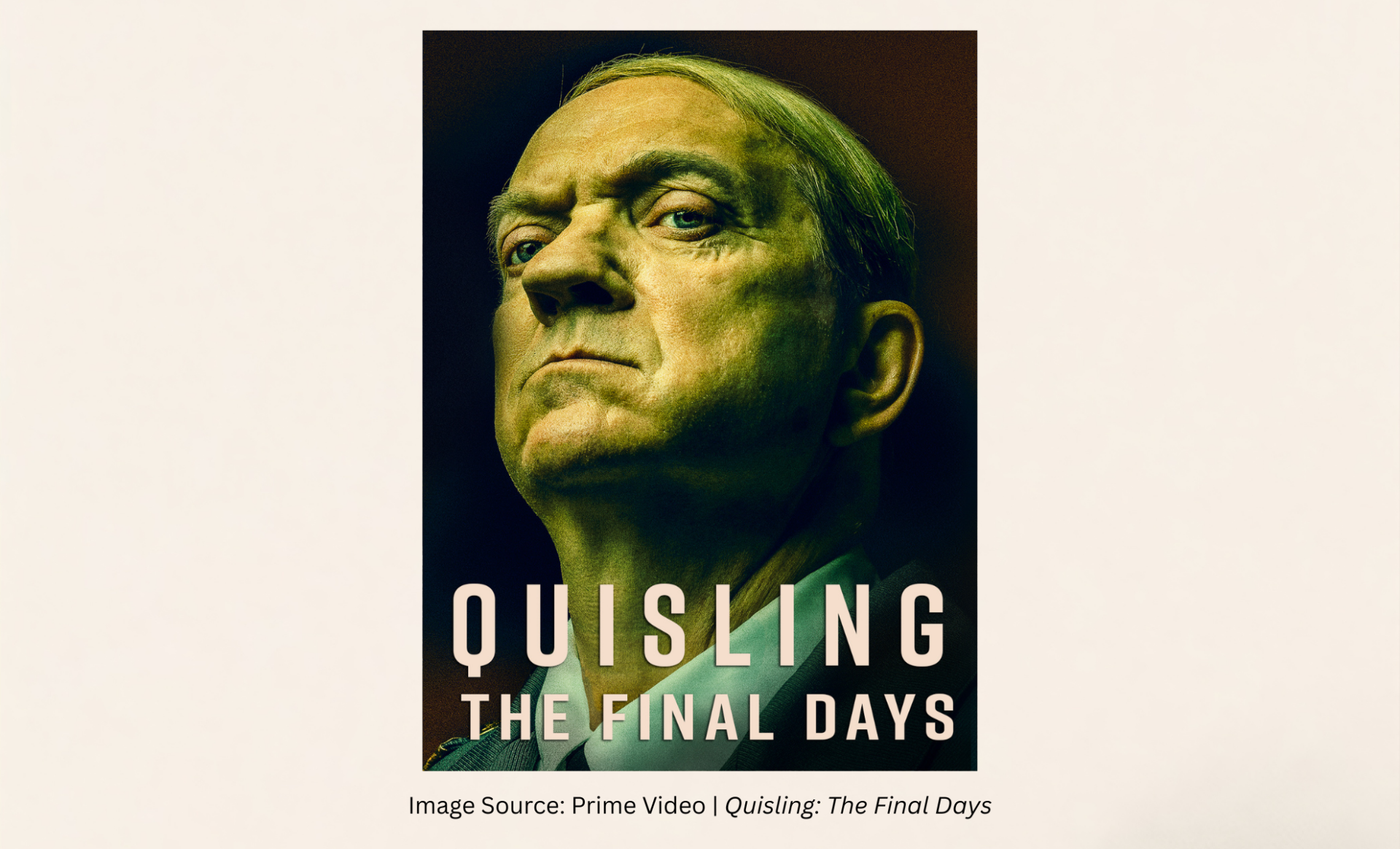
| We know that secularism hasn’t delivered us from evil. Because we’re still traumatized in the West by what the Second World War drew out of us, what that war revealed in us. Eighty years later, we have yet to heal. So I wrote in the conclusion to our new book The Gospel After Christendom. The West is broken. Traumatized by knowing the evils we could commit. Traumatized by knowing what evils could be committed against us and the ones we love. Convinced Christ offers no consolation, weakly trying to reassure ourselves that Hitler belongs to the past, yet broken by the weight of the world, knowing our lighthouse has gone out. It’s dark and cold, and no one’s home. I wrote these words in reflection after reading Richard Flanagan’s bestselling book The Narrow Road to the Deep North, winner of the prestigious Man Booker Prize. We keep telling horror stories from the Second World War in a vain attempt at understanding what our ancestors suffered, what they endured. We’re seeking absolution for what our ancestors did, from the evil we fear they passed down to us. All the while we ponder, It couldn’t happen again . . . could it? Add another search for understanding and absolution in the new Norwegian film Quisling: The Final Days (streaming on Amazon Prime). It’s one of the best movies I’ve ever seen. Unspeakable evil, loss of faith, sin and repentance—it’s all on display in the story of Norwegian dictator Vidkun Quisling during his 1945 arrest, trial, and execution, viewed from the perspective of his reluctant chaplain. What these filmmakers did, building toward the final confrontations between the deposed dictator and chaplain Peder Olsen, deserves wide acclaim. I’ve never before seen such drama in confession and communion, with thought-provoking tension and twists. Norwegian filmmakers have produced several of the best takes on the Second World War. Add this film to the canon of art trying to absolve the guilt we can’t shake in the West. Narvik (streaming on Netflix) explores how war often forces a choice between defending your country and protecting your family. Number 24 (also streaming on Netflix) features an aged Norwegian resistance fighter sharing his harrowing tale in a present-day school assembly. He faces persistent questions from a young woman who won’t accept the veteran’s version of the story, where collateral damage included executing Norwegians collaborating with the Nazis. Eventually we learn she lost an older relative during the war in unexplained circumstances (which we see on film). Quisling: The Final Days uses the infamous dictator as a foil for Olsen’s own wrestling with the decisions he made during the war to protect his family. Olsen begins by challenging the defiant Quisling to identify himself in Jesus’s parable of the Pharisee and tax collector from Luke 18. If Quisling could take responsibility for his atrocities, if he would seek absolution from God through this Lutheran minister, then Norway could begin to heal from its civil war, neighbor pitted against neighbor by Nazi rule. But Quisling, descended himself from generations of Lutheran pastors, proves to be a harder case than Olsen expects. He knows the Bible, too, maybe even better than Olsen does. He wants to know where Olsen sees himself in the parable. As Quisling creeps closer to the firing squad, we wonder, will he take the Lord’s Supper and throw himself on the mercy of Christ? Or will he die proclaiming his innocence, his insistence that he only ever acted out of love for Norway? Can Olsen redeem himself and stabilize his shaky faith by rescuing Quisling from hell and save his country’s conscience at the same time? Or will his faith in God fail yet again in the face of an impossible task? You’ll have to watch yourself to find out (in case you’re not already familiar with Norwegian history). I’d love to know what you think. Why do we keep telling ourselves these stories from the Second World War? What are we hoping will help us reignite that lighthouse so we can finally find our way back home? COMING NEXT WEEK: I reveal my annual list of top 10 theology stories from the past year. |