|
|

|

|
|
Dear Reader,
February has a bad reputation for a reason. It’s the longest month of the year, though it has the fewest days. It’s also the hardest to spell because someone stuck an extra r in there. There must be a conspiracy!
But the cold weather and gray skies that make February feel so long also make it a good month for reading.
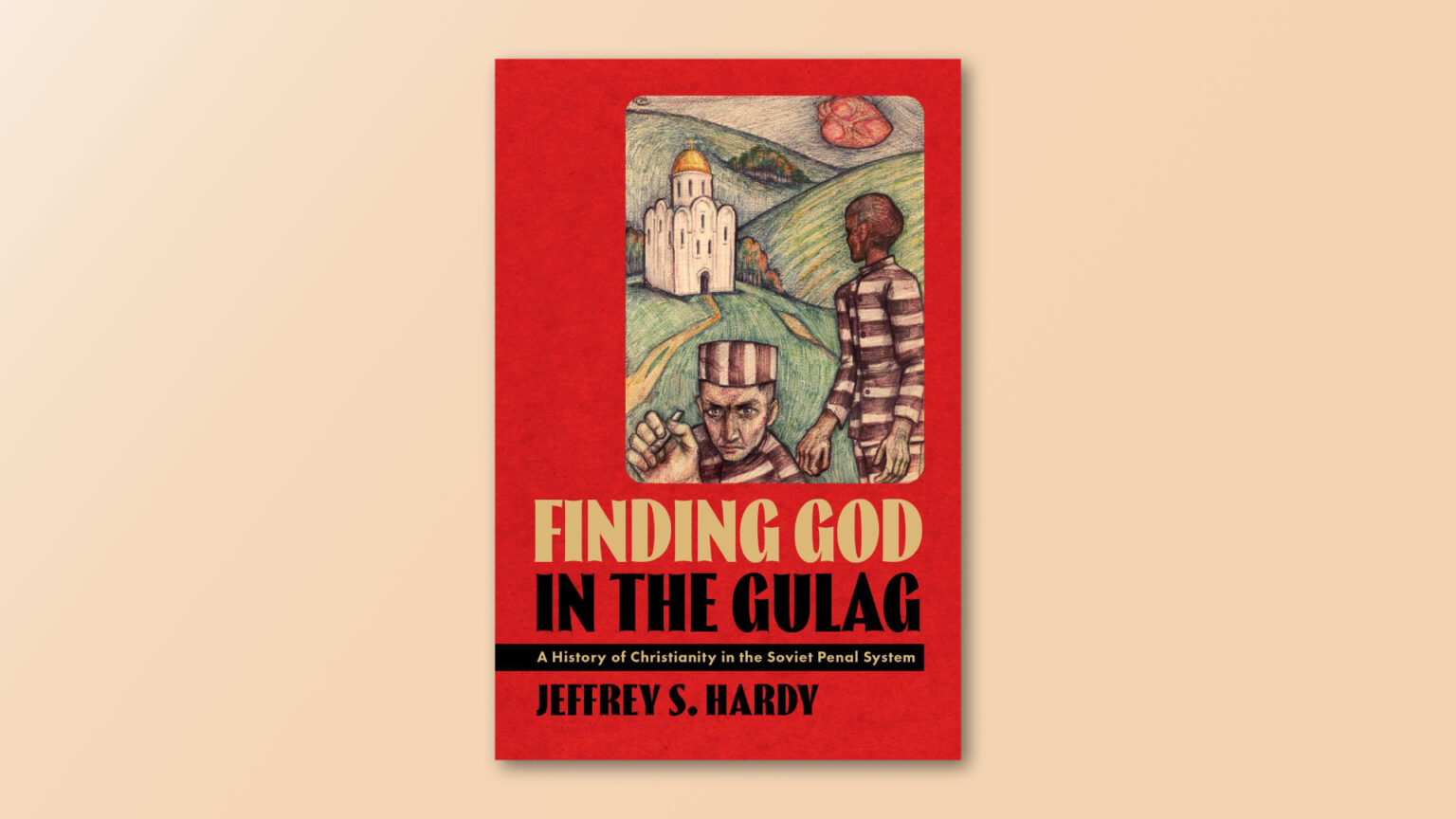
One of the best books I read this month was Finding God in the Gulag: A History of Christianity in the Soviet Penal System. It seems odd to read about the misery of the brutal Soviet Gulag, but in some ways it makes the dreariness of February a little more bearable.
I must confess, whether it’s Aleksandr Solzhenitsyn’s Gulag Archipelago or Eugenia Ginzburg’s Journey into the Whirlwind, I’m fascinated by the stories of human survival in such an inhumane system. It’s amazing what the body and soul can endure. And by the time you’re done reading those prolix Russian works, it’s March.
Amanda Aucoin reviewed Finding God in the Gulag for TGC, highlighting it as a source of encouragement for believers. She notes, “I was most inspired by the personal stories of believers [the author] included throughout the book.” They’re just the sort of hopeful accounts we need in the bleakness of winter. February isn’t all that bad when you put it in perspective.
Happy reading!
Andrew Spencer
Associate Editor
|
New from TGC
|
|
|
Book Review
Amanda Aucoin
|
|
“Monuments and burial sites throughout the former Soviet Union serve as tributes to the millions who suffered and died in the Gulag. They keep alive the memory of countless imprisoned Christians the Soviets tried to erase. ‘Finding God in the Gulag’ reminds us that by learning the stories of these persecuted Christians, we learn about ourselves as well.” Read the review.
|
|
|
Book Review
Wyatt Graham
|
|
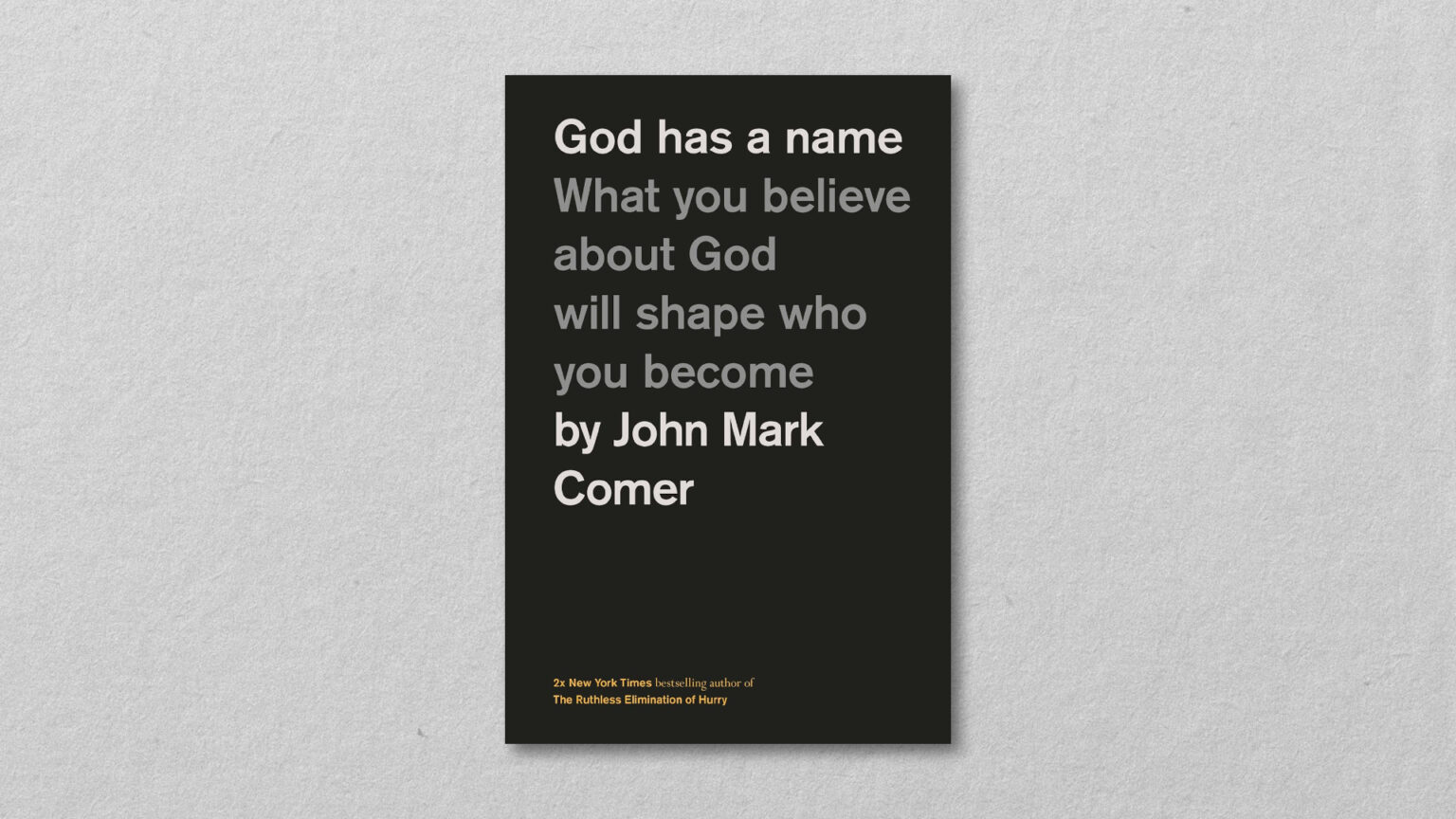
“I’m deeply interested in the book’s thesis because I’m invested in knowing the God of the Bible to be transformed by him. But Comer’s ambiguous relationship to Protestant confessionalism leads him to an incomplete picture of God.” Read the review.
|

Book Review
Kelvin J. Washington
|
|

Book Review
Michael Niebauer
|
|

Book Review
Bob Thune
|
|

Book Review
N. Gray Sutanto
|
|

Book Review
Ched Spellman
|
|

Book Review
Andrew Spencer
|
|

Book Review
John Shelton
|
|
|
Links for the Reading Life
|
| 1. |
Luke Simon, “Gen Z, Fight ‘Brain Rot’ by Reading Books” (The Gospel Coalition)
“At first, reading was just a way to fight off boredom. My first choice was Walter Isaacson’s biography of Steve Jobs. Ironically, it gave me a glimpse into the life of the man who had designed the device I was trying to escape. I loved it. Somewhere between Jobs’s story and the rhythm of reading, I found something transformative. Books didn’t just fill empty hours. They opened up new worlds, challenged how I saw things, and made me think in ways my phone never could.
“What surprised me most was how different reading was from scrolling. My phone had trained me to skim, to consume quickly, and to expect instant gratification. Books demanded something deeper: focus, patience, and the willingness to sit with ideas that don’t immediately resolve. This wasn’t easy at first. But in return for my patience, reading began offering the ability to wrestle with complexity.”
|
| 2. |
Joel Miller, “5 Reasons to Write in Your Books” (Miller’s Book Review)
“When I die, my kids—or some lucky sap at an estate sale—will end up with my library. As they riffle through the pages, they’ll probably note the embarrassing number of coffee stains and all my marginalia.
“Some of you will be scandalized: writing in books! Yes, and I can’t help it. I’m an inveterate scribbler. That’s especially true when it comes to nonfiction, but even novels suffer a few asterisks, underlines, and comments when deserved. If writing in books ever becomes illegal, you’ll find me in the prison library, lurking in a corner, sharpening a smuggled pencil.”
|
| 3. |
Noah Senthil, “‘Practicing the Way’ in the Church: Analyzing the Comer Option” (The Gospel Coalition)
“The massive success and appeal of Comer’s Practicing the Way shouldn’t be a cause for alarm. Rather, it showcases a real hunger in our cultural moment, as well as an exciting opportunity for local churches to prioritize an old ecclesial emphasis—spiritual theology—in a new way.”
|
| 4. |
Thomas Kidd, “A Guide to Writing Book Reviews” (Thomas Kidd’s Substack)
“The ‘critical book review’ is a staple of course assignments in colleges and seminaries. But I find that some students simply do not know what it means write a ‘critical’ book review.
“Some students seem to think that ‘critical’ just means summarizing the book for 95% of the essay, and then finding one or two negative things to say about it. This model does, in an elementary way, gesture at the meaning of ‘critical.’ A ‘non-critical’ review is one that simply summarizes the book’s content, and it may unequivocally praise whatever the book does.”
|
| 5. |
Samuel James, “The Ruthless Elimination of Paragraphs” (Digital Liturgies)
“The paragraph is more than a literary convention. It’s a way of thinking. If Nicholas Carr is correct when he says of the Gutenberg revolution, ‘As language expanded, consciousness deepened,’ that means part of the way we reason has been shaped by the form of the book. Paragraphs that contain a thesis sentence and then sentences that support, illustrate, or explain the thesis sentence are uniquely germane to the way we humans think.
“In conversation we are not necessarily waiting for a person to show why what they’re saying is true/interesting/relevant. Interpersonal communicational is interpersonal; the relational element is natural and makes us feign interest, not probe, and smile a lot. I don’t think books are an extension of that relational dynamic. Trying to capture a TED Talk style on the page sells the power of the page short. Paragraphs and pages can and should make demands on both author and reader that conversation cannot.”
|
| 6. |
Rebecca Makkai, “Too Busy Blurbing Books to Write One” (The New York Times)
“For those fortunate enough not to know, blurbing is the laborious process wherein writers beg one another for nice words for the covers of their new books, and, in return, read and provide blurbs for other new books. It’s apparently true that the term originated in 1907 with a fictional character, Belinda Blurb, shouting praise on the cover of the humorist Gelett Burgess’s ‘Are You a Bromide?’ and I guess we’re all still in on the joke—or maybe we are the joke.
“Early in my career I decided it was my duty to write at least twice as many blurbs as I received. I’ve now written about 20 times as many, and I’ve been happy to do it. But recently three things broke me.”
|
| 7. |
Will Anderson, “Should Pastors Write Books? 4 Questions to Consider” (The Gospel Coalition)
“There’s no ‘perfect” season to write a book: Responsibilities will forever claw for your attention, creativity will remain a fickle visitor, and sacrifices will inevitably be required (often in the form of early morning or late night writing sessions). And yet, in the right season, with God’s Spirit fueling your words and resolve, writing can be a transforming contribution to the kingdom. If and when that season comes, I’m cheering you on.”
|
|
| |
|
|

The Gospel Coalition
8520 Allison Pointe Boulevard, Suite 220, Indianapolis, IN, 46250
Take control of your inbox
Manage your preferences and choose which newsletters you want to receive or unsubscribe from all emails.
|
|