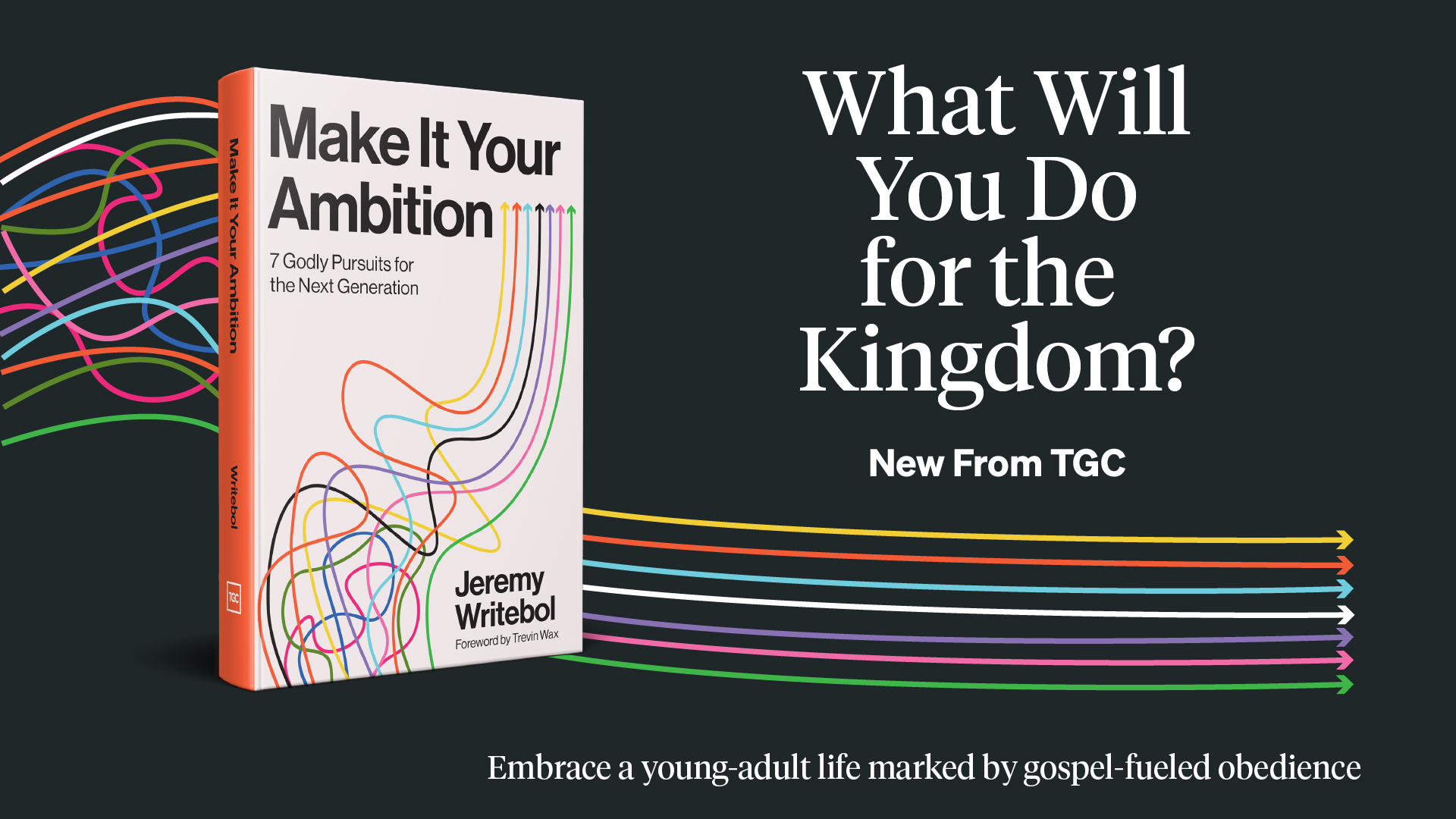
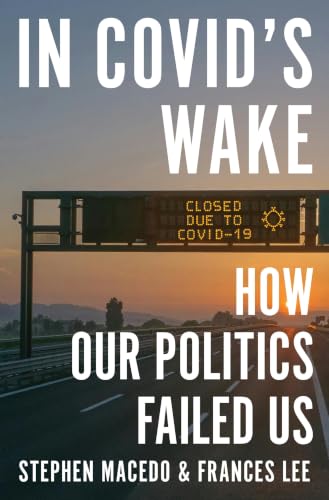
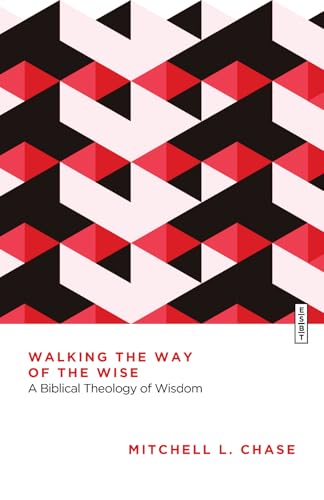
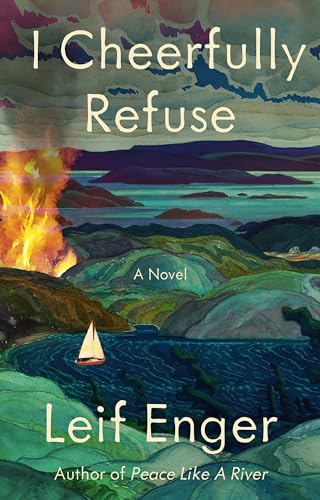
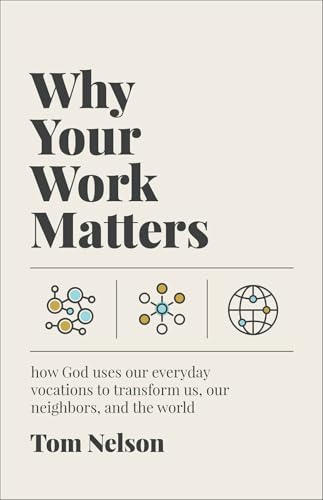
 | | Dear Reader, Psalm 139 has become identified in the minds of many believers with a defense of the unborn. It’s written as a prayer to God. It’s full of thanksgiving and hope. It reminds us we’re “fearfully and wonderfully made” (v. 14). There’s more to the psalm than a powerful argument against abortion. As Glenna Marshall writes in Known and Loved, “Psalm 139 is a celebration of being known, really known—and loved anyway—by God.” We don’t experience being known and loved every day. We use filters on our photos and curate our best experiences before we share them with others on social media. We’re afraid to be truly known, because we’re afraid that if we are, we won’t be loved. And yet, God knows the deepest, darkest truths about us and loves us anyway. As Elizabeth Hance notes in her review, we can “take rich comfort in God’s knowledge of even the darkest corners of our hearts and in his love that has saved us and continues to sanctify us.” That’s a powerful encouragement in a world that often reminds us of our failures. Happy Reading! | | ANDREW SPENCER | | Associate Editor | |  | | | | | “While God’s otherness is essential to our theology, Psalm 139 also reveals this doctrine's deeply, gloriously personal textures. Though God is so great that he knows and controls everything, Marshall reminds us, ‘If He has set his faithful love on you, your life will always matter to Him. And that’s enough for any tombstone.’” | | REVIEWED BY ELIZABETH HANCE | | | | | | | | “The temptation for many readers of ‘In Covid’s Wake’ will be to say, ‘I told you so.’ Yet the bigger lessons for Christians should be that power tends to accentuate sinful tendencies and that sin will always be exposed in time. There’s no way we’ll make correct decisions all the time, but we’ll always be well served by pursuing truth, goodness, and beauty with generosity toward those who dissent. ‘In Covid’s Wake’ offers pastors and church leaders a powerful case study to help them lead through difficult circumstances with grace and wisdom.” | | REVIEWED BY HUNTER BAKER | | | | | | | | “In this contribution to the ‘Essential Studies in Biblical Theology’ series, Chase shows how the thread of wisdom is woven through all of Scripture. He teaches us how to find that wisdom and apply it to all of life. ‘Walking the Way of the Wise’ is an accessible resource for pastors or church members as they seek to understand Scripture better.” | | REVIEWED BY MATT LIETZEN | | | | | | | | “The winds of hope in Leif Enger’s novel ‘I Cheerfully Refuse’ are stronger than the brutalizing gusts on Lake Superior. Perhaps no line in the book better summarizes the doom alongside the stubborn hopefulness embodied by the story’s main character, Rainy, than a comment from his book-loving wife, Lark, who is trying to open her own bookshop. After Lark makes her first purchase of books for the shop, Rainy asks her how she’s feeling about the endeavor. She replies, ‘Probably doomed and perplexingly merry.’” | | REVIEWED BY RONNI KURTZ | | | | | | | | “Tom Nelson has been wrestling with the question of work for decades. He’s just updated his 2011 book, ‘Work Matters: Connecting Sunday Worship to Monday Work,’ with some new content and a new title, ‘Why Your Work Matters: How God Uses Our Everyday Vocations to Transform Us, Our Neighbors, and the World’. “I had an opportunity to interview Nelson about his book and about how the faith-and-work movement has changed over the years.” | | REVIEWED BY ANDREW SPENCER | | | |  | | 1 | Carly Buchwald, “The Legacy of Susannah Spurgeon’s Book Fund” (The Gospel Coalition) “After Charles completed his first volume of Lectures to My Students, Susie voiced her desire to place it in the hands of every minister in England. Her husband responded, ‘Then why not do so: how much will you give?’ “Taken aback by his challenge, Susie responded with conviction and obedience. She found in an upstairs drawer the exact amount of money to pay for 100 copies. Though she didn’t yet know it, this was how the Book Fund began.” | | 2 | Brett McCracken, “Read Books, Not AI Summaries of Books” (The Gospel Coalition) “If SparkNotes appealed to teenagers and college students in my generation—a short cut to actually reading a long book—then surely ‘AI book summarizing’ will be a live temptation going forward. It will be hard to resist a hack that promises the benefits of reading a book (‘takeaways’) without the huge time cost it takes to read hundreds of pages. Life is busy, time is short, and there are way more great books out there than any of us could ever actually read. Why not ‘read’ more books by leaning on AI’s synthesizing prowess, gaining knowledge more efficiently? “Because it’s a bad trade. It’s like swapping a feast for fast food.” | | 3 | Brittany Luse, Liam McBain, and Jasmine Romero, “It’s Hard to Read. Here’s Why” (NPR) “Data from Gallup and the Bureau of Labor Statistics show that Americans are reading fewer books and spending less time reading than ever. There’s been reporting on college kids struggling to finish longer texts. And earlier this year, in a viral post, one user lamented their loss of concentration for reading, which led to a larger online discourse about how to approach books again.” | | 4 | Jeffrey Bilbro, “A Love for Reading and Reading for Love” (Mere Orthodoxy) “Reading, especially solitary reading, is neither necessary nor sufficient to the process of soul maturation, of growing into the kind of persons capable of love. Yet as these authors demonstrate, it can provide remarkable, transformative encounters with people we could otherwise never listen to, and if we ruminate well on their wisdom, we may cultivate souls capable of better loving both our neighbors and God.” | | 5 | Andrew Spencer, “I’m a Librarian. How Should I Handle Fights over Book Removals?” (The Gospel Coalition) “The best way to fight inappropriate or untruthful books is by recommending to your library books that are good, true, and beautiful. Individual librarians exert substantial influence over the content of their collections. This speaks to the need for Christians to become qualified and work in public libraries to help improve collection development.” | | 6 | Joel Miller, “Forget the Paperback?” (Miller’s Book Review) “For what seems like ages now, the typical lifecycle of a nonfiction book included a year exclusively in hardcover and then a long-tail life in trade paper. Still, that’s never been true for every book. I worked at Thomas Nelson for over a decade. Many times, we’d publish new authors in paper and graduate them up to hardcover for subsequent books if sales proved robust enough. Other times, a hardcover might make a poor showing and never go to paperback because the demand wasn’t there.” | | |  | Wish you had a roundup of our best content?
Subscribe to our weekly Update. | | | |

|
|
About Us
|
Council
|
Donate
|
©2022 The Gospel Coalition, All Rights Reserved.
P.O. Box 170346 — Austin, TX 78717
Update Email
| Unsubscribe
|
|
|
|