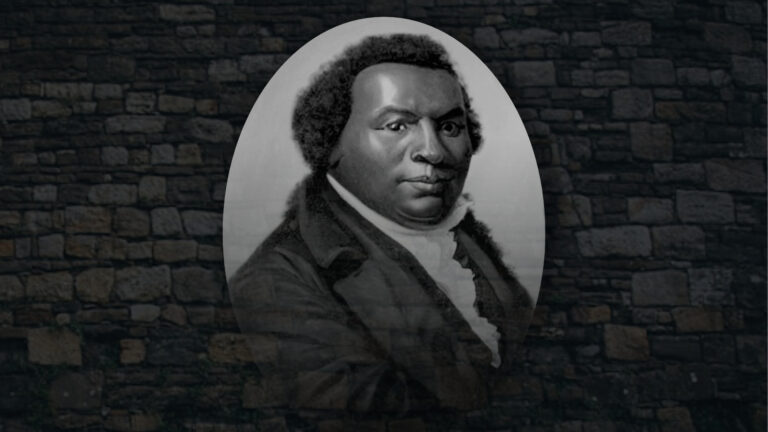
| In 1793, Baptist leaders in Virginia faced a theological dilemma they hadn’t anticipated. What do you do when a slave auction separates a black couple who are members of a local church? Tragically, rather than rejecting the evils of slavery, the Dover Association answered those questions by softening its stance on divorce and remarriage. The crisis over marriage came to the floor of the Baptist association because of Gowan Pamphlet (1748–1807). He was born enslaved in colonial Virginia, but he went on to become one of the first black ordained ministers in the United States. Pamphlet’s church could never feel truly safe when they met. A gathering of that many free and enslaved black people would always be viewed with suspicion by white neighbors concerned about slave revolts. Nevertheless, because Pamphlet valued Christian fellowship across ethnic lines, his church petitioned in 1791 to be admitted into the local Baptist association. His willingness to break down racial barriers forced the predominantly white Christians to wrestle with slavery’s theological implications. Like so many figures in church history, we know little of Pamphlet’s life. However, what we know is remarkable. As Kelvin Washington observes, “Gowan Pamphlet’s body has long been in his grave, but his legacy still has the power to inspire the church.” Pamphlet’s story reminds us that the gospel forces the church to confront the sins the culture accepts. |